
REVIEW · CAPE WINELANDS DAY TOURS
Bonnievale : Captivated By Chardonnay
Chardonnay, underground, and oddly moving. This Bonnievale stop at Weltevrede Wine Estate turns a simple tasting into a story about where Chardonnay thrives, how it arrived in the Robertson Valley, and why this wine keeps its calm, elegant style.
I really like the way the experience mixes three distinct Chardonnay tastings with museum-like lessons about place. You go beyond sip-and-smile by learning how geology shapes flavor, not just what the glass is called.
One consideration: this is an adult-focused tour, not for kids under 18, and you will be in a dim underground setting with a set schedule, so you need to enjoy wine and staying on time.
In This Review
- Key Things To Know Before You Go
- Underground Tunnels at Weltevrede: Where the Tasting Gets Real
- Your 2-Hour Timeline: From 13h45 Arrival to 16h00 Finish
- The Three Chardonnays: Calcrete, Place of Rocks, and Poet’s Prayer
- Tasting 1: Calcrete at 14h30
- Tasting 2: Place of Rocks at 15h00
- Tasting 3: Poet’s Prayer at 15h40
- Calcrete and Place of Rocks: Terroir Lessons You Can Actually Use
- Winemaker Philosophy: Elegant, Unpretentious Chardonnay
- The Deepest Stop: 500 Years B.C., Then Poetry by Philip Jonker
- Price and Value: Is $15 Worth It?
- Who Should Book This Chardonnay Tunnel Tour
- Practical Tips for Enjoying the Underground Setting
- Should You Book Bonnievale Captivated by Chardonnay?
- FAQ
- How long is the Bonnievale Captivated by Chardonnay tour?
- What time should I arrive?
- What tastings are included?
- Is the tour guided, and what language is it in?
- Is the tour suitable for children?
- What happens at the end of the tour?
- Is smoking allowed?
Key Things To Know Before You Go
- Three-tasting format, Calcrete, Place of Rocks, then Poet’s Prayer Chardonnay
- Underground tour sections that move from geography to geology to history
- Poetry reading by Philip Jonker, paired with the final pour
- Clear, timed flow from briefing and audiovisual setup to tastings
- English-only live guiding in the tunnels
Underground Tunnels at Weltevrede: Where the Tasting Gets Real
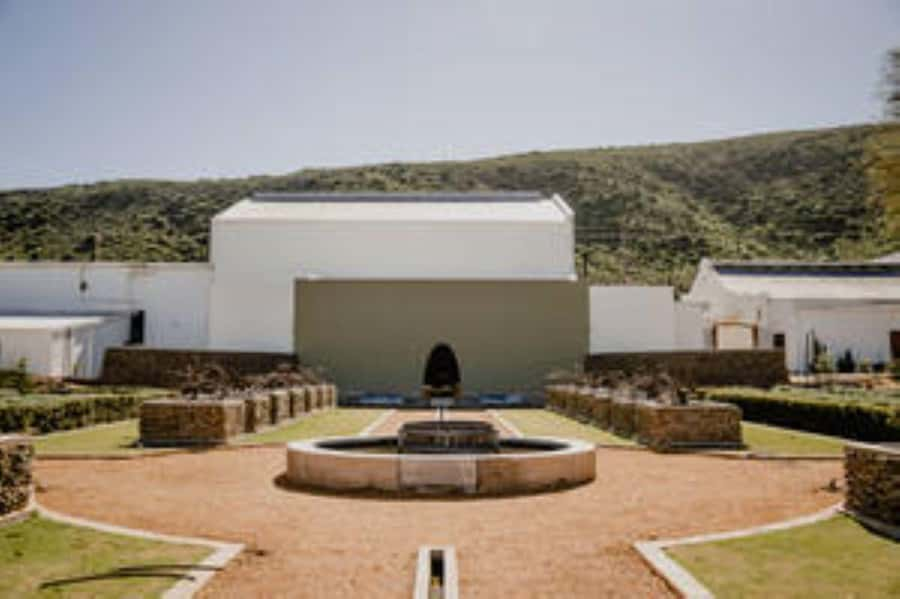
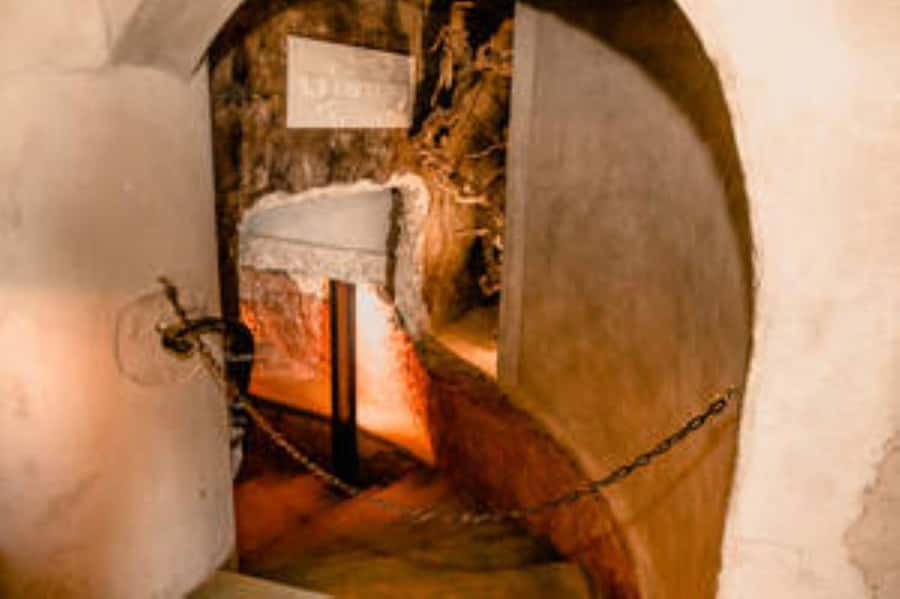
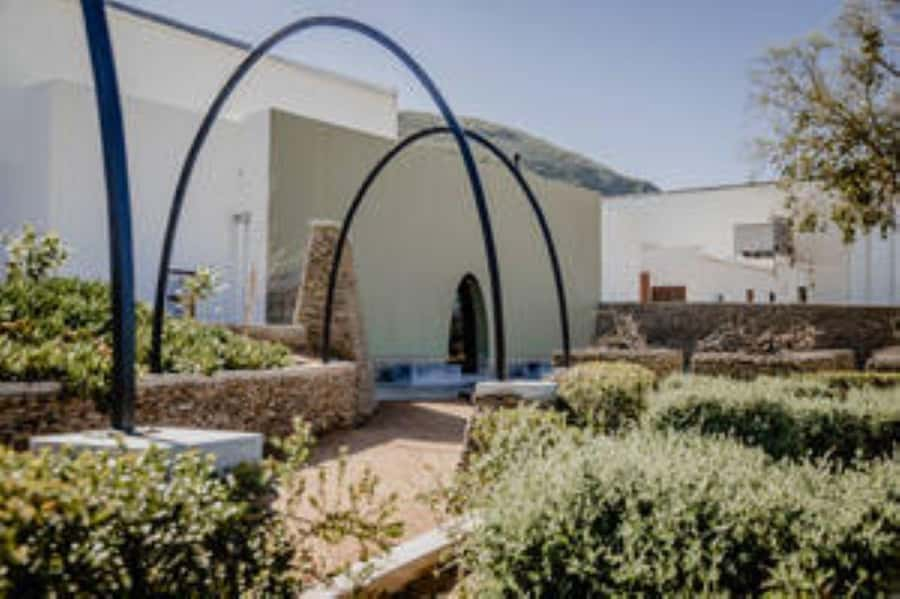
The coolest part here is the setting. You are tasting Chardonnay in the underground tunnels of the Weltevrede Wine Estate, where you can feel the farm’s seriousness about wine and about place. This is not a loud, party-style tasting. It feels calmer and more intentional.
What makes it extra worthwhile is that the underground space does not just serve as atmosphere. It becomes part of the lesson. The tour is designed so that each stop builds on the last, so you start thinking about Chardonnay as something shaped by geography, human choices, and time. Even the way the tour is paced feels relaxed, while the information stays substantial. In one recent tour, the guide earned high praise for being both easygoing and very informative.
If you like experiences where you can leave with a better “why” behind what you like, this is your kind of stop. If you only want a quick sip and you hate structure, you might find it too educational. Either way, plan for a 2-hour block that has a rhythm.
Your 2-Hour Timeline: From 13h45 Arrival to 16h00 Finish
This experience runs on a set schedule, so I recommend you treat it like a timed appointment, not a casual walk-up. The day starts with arrival and a short setup period.
Here is the flow you should expect:
- 13h45: arrive, and a host meets your group
- 14h00: briefing
- 14h10: audiovisual presentation
- 14h30: tasting of Calcrete
- 15h00: tasting of Place of Rocks
- 15h40: tasting of Poet’s Prayer
- 16h00: tour ends
That mid-afternoon layout matters. You get time for the learning parts before the tastings, so you are not left trying to connect the dots while you are already drinking. It is also a good option if you want one focused activity during a winery day, without committing to a full half-day tour.
One practical note: the tour is English and you should plan to be comfortable following along in the group. If you get motion-sick easily, the itinerary does not describe rough travel, but you will still be spending time moving through underground areas.
The Three Chardonnays: Calcrete, Place of Rocks, and Poet’s Prayer
This tour earns its value through one simple idea: three tastings that each represent a different part of the story. Instead of handing you random glasses, you taste as the explanation builds.
Tasting 1: Calcrete at 14h30
The first pour comes with a tasting of Calcrete, paired with an early look at how Chardonnay spread and where it is produced in the world. This is a smart opener because it shifts your brain from personal taste to global context. You start to recognize what you are looking for, then you begin to connect it to the Robertson Valley.
Tasting 2: Place of Rocks at 15h00
Next, you taste Place of Rocks. This is where the tour leans more heavily on geography and geology, not just winemaking jargon. You are essentially being trained to ask: what does the ground do to the wine?
If you enjoy science-y conversations but still want them translated into real flavor, this is the sweet spot. If you hate analytical explanations, this part can feel long, but the tasting keeps you grounded.
Tasting 3: Poet’s Prayer at 15h40
Finally, you reach Poet’s Prayer Chardonnay, served at the deepest point of the underground tour. By now, you have the context, the terroir framework, and the history angle, so the last tasting lands differently. The tour ends with a poetry reading written by Philip Jonker, which turns the final sip into a moment, not just a finish.
Calcrete and Place of Rocks: Terroir Lessons You Can Actually Use
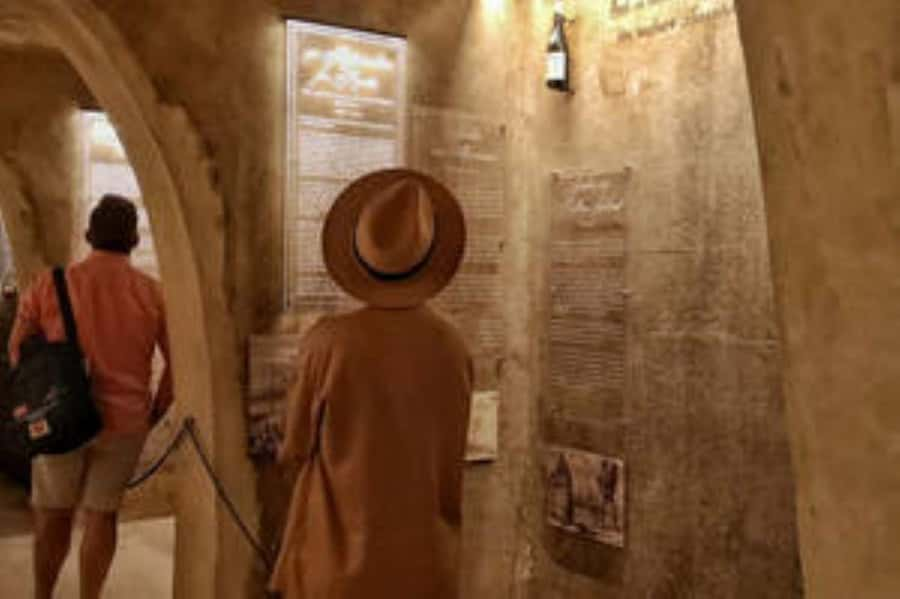
Some tasting rooms give you a label story. This tour gives you a land story. The presentations are described as museum-like, and that word matters. It suggests you are not wandering around hoping the guide mentions the right detail. You are shown the idea, explained clearly, and then tasted right after.
You should pay attention to what you feel in the glass, then match it to what you are hearing about the soil and the site. Even if you do not remember every term, you will start building a personal shortcut for future tastings. For example, after you taste through Calcrete and Place of Rocks, you are likely to notice how different site conditions can steer Chardonnay toward different levels of texture, structure, and character.
This is where the tour earns its “profound” reputation in a relaxed way. In at least one recent experience, the guide was praised for wide-ranging information delivered without sounding like a textbook. That balance is the difference between learning something and getting bored.
Winemaker Philosophy: Elegant, Unpretentious Chardonnay
One of the tour’s three big sections focuses on the winemaker’s approach: the philosophy, the hand of the artisan, and why the style aims for something elegant and unpretentious.
That might sound like marketing language, but it is useful. When you know the goal, you can better understand what you are tasting. You stop judging only by sweetness or oak and start paying attention to balance and restraint. You also get a sense that the wine is made with intention rather than chasing trends.
If you usually like Chardonnay but find it confusing when someone calls a wine “structured” or “mineral,” this is a good reset. The tour is designed to bring in the human reason behind the winemaking choices, then connect those choices back to the ground and the region.
And because you are in the underground tunnels, the message feels grounded. You are not sipping wine under bright lights while the conversation floats away. You are in a physical reminder that wine starts with earth, and earth is not flashy.
The Deepest Stop: 500 Years B.C., Then Poetry by Philip Jonker
The final stage is described as taking you to the deepest part of the underground tour, where you learn history connected to wine dating back to 500 years B.C. That is a big claim, but the point of the moment is clear: wine is not a modern hobby. It is an old practice shaped by long human habits.
Then comes the poetry reading. The tour ends with poetry written by Philip Jonker, performed while you sip Poet’s Prayer Chardonnay. This is one of those choices that could feel odd on paper. In practice, it makes the final tasting memorable. It gives you something to hold onto emotionally, not just intellectually.
If you like cultural details tied to food and drink, you will probably enjoy this part more than you expect. If you are more literal and less into spoken performance, you can treat it as a gentle add-on and still benefit from the final tasting and history framing.
Either way, the combination is distinctive. It is not the standard wine lecture format.
Price and Value: Is $15 Worth It?
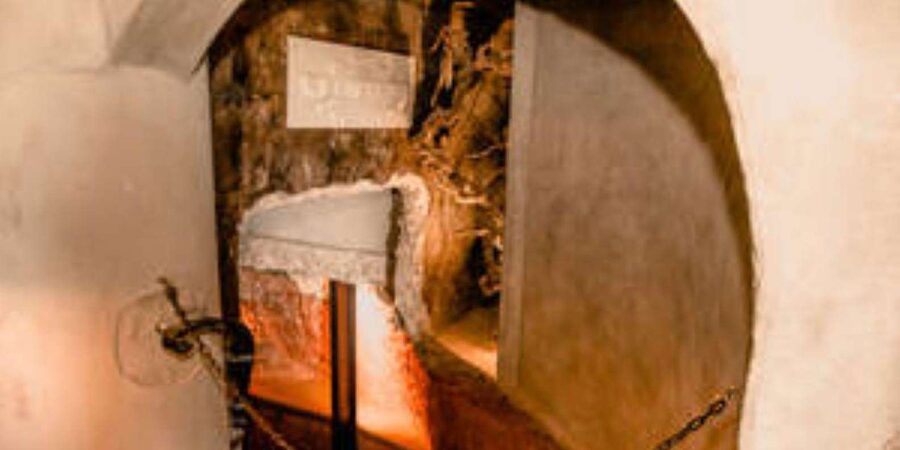
At $15 per person, this tour is positioned as accessible, and you likely get your money’s worth if you care about learning and structured tasting. You are not paying for a huge buffet or a long meal. You are paying for guided interpretation, three planned tastings, and a guided underground experience that runs about 2 hours.
Here is how I think about value on this kind of tour:
- Three Chardonnay tastings instead of one or two
- A guided storyline that ties geology, geography, and winemaking philosophy together
- A unique setting that changes how the lesson feels
So if your goal is just to buy a bottle and move on, you might prefer a standard tasting flight somewhere else. But if you want to leave with a clearer sense of why Chardonnay from this region tastes the way it does, $15 feels fair.
Also, the tour is adults-only, which can improve the overall mood. You can focus on the guide and the tastings without the noise level that sometimes comes with mixed-age groups.
Who Should Book This Chardonnay Tunnel Tour
This experience is best for:
- Adults who love wine and want to understand what shapes flavor
- People who like practical education, not just tasting notes
- Chardonnay fans who want their favorite grape explained in a specific regional context
- Travelers who enjoy cultural touches, like the poetry ending
You might skip it if:
- You strongly dislike wine tastings or planning your day around them
- You want a purely casual, no-structure experience
- You are traveling with kids under 18
It is guided in English, so language should not be a barrier for most visitors. And because there is a set schedule, it is a good “anchor” activity on a winery day.
Practical Tips for Enjoying the Underground Setting
A few things will help you have a smoother experience.
First, plan to arrive on time. The host meets you at 13h45, and the tour briefing starts at 14h00. Being late can throw off the group flow, and you will miss the beginning.
Second, keep the experience in mind when you decide what else to do that afternoon. This tour ends at 16h00, so you can pair it with a later meal or a relaxed walk afterward. It is not described as a full food experience, so having dinner plans ready is smart.
Third, the tour takes place in dim underground areas and includes tastings. Take your time, sip slowly, and pay attention to what the guide is connecting to the glass. That is the whole point of tasting in sequence.
Finally, follow the rules. Smoking is not allowed, and since you are in a fixed underground setting, it is best to treat it like a careful, guided space rather than a casual stop.
Should You Book Bonnievale Captivated by Chardonnay?
If you want more than a tasting flight, I’d book it. For $15, you get a structured journey through Chardonnay geography, geology, and winemaking philosophy, plus three tastings that progress from early context to a final poetic finish with Philip Jonker. The experience is described as relaxed and also very profound, which is the rare combination that makes wine education feel human.
Book it if Chardonnay is your thing, or if you like experiences that teach you how to think about wine without turning the day into a quiz. Skip it if you want zero structure or you are traveling with someone under 18.
FAQ
How long is the Bonnievale Captivated by Chardonnay tour?
The tour lasts about 2 hours, and it ends at 16h00.
What time should I arrive?
Please arrive at 13h45. A host meets the group from 13h45, and briefing starts at 14h00.
What tastings are included?
Wine tasting is included, with tastings scheduled for Calcrete (14h30), Place of Rocks (15h00), and Poet’s Prayer Chardonnay (15h40).
Is the tour guided, and what language is it in?
Yes, there is a live tour guide, and the tour is in English.
Is the tour suitable for children?
No. It is not suitable for children under 18.
What happens at the end of the tour?
The tour ends with a poetry reading written by Philip Jonker while visitors sip the Poet’s Prayer Chardonnay.
Is smoking allowed?
No, smoking is not allowed.
Cape Winelands Day Tours, compared.
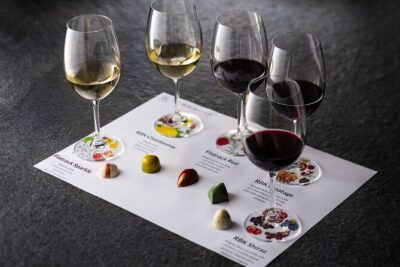 ★ 5.0Wine Tour: Paarl, Franschhoek & Stellenbosch incl 3 wineriesFrom $433,940 reviews
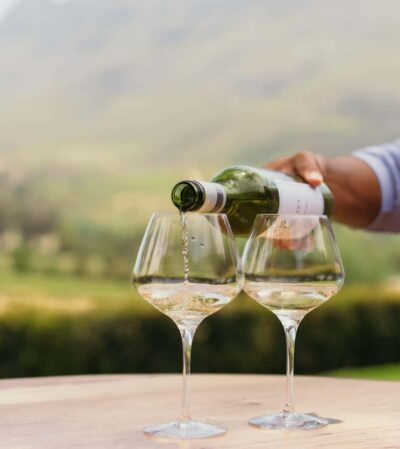 ★ 4.9Cape Town: Full-Day Winelands Tour with Wine Tastings & FoodFrom $1211,288 reviews
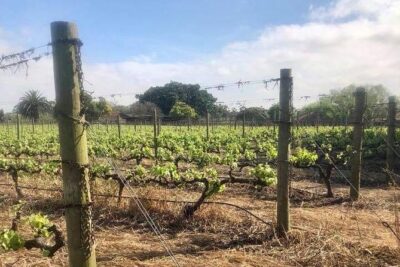 ★ 5.0African Story Wine Tours in the Cape WinelandsFrom $102920 reviews
 ★ 4.5From Cape Town: Winelands Full Day Tour and Wine TastingFrom $102364 reviews
 ★ 4.0Half-Day Stellenbosch Winelands Tour from Cape TownFrom $75122 reviews
 ★ 4.5Stellenbosch, Franschhoek and Paarl Winelands Full Day Trip from Cape TownFrom $101115 reviews
 ★ 4.2Cape Town: Guided Winelands Tour & Tasting in StellenboschFrom $83114 reviews
 ★ 5.0Cape Winelands Explore Full Day Tour with Private TransferFrom $241102 reviews
Browse the lists this tour appears in